







What Visiting Japan Taught Me about Quality Care
To deepen our understanding of Japan’s healthcare system, hospital management, and patient care, FIDR organized a medical study visit to Japan for our partner organization (KPRH: the Kratie Provincial Referral Hospital), accompanied by a staff member, Ms. Kong Kolyan, Senior Project Facilitator.
***
“Greetings from Cambodia. I am Kolyan, in charge of the Pediatric Surgery Project.”
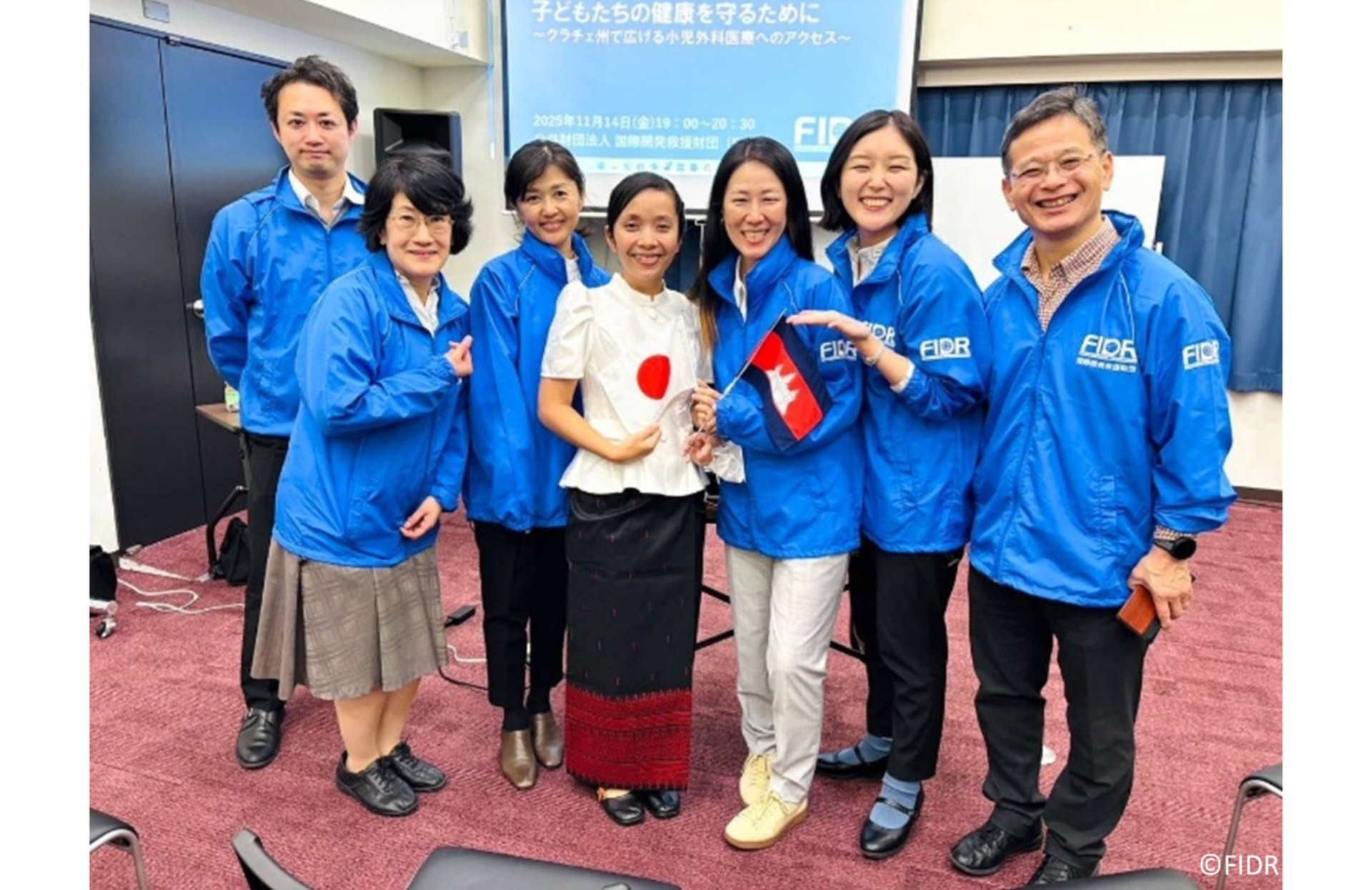
Organized a public event with FIDR Tokyo staff (The author, Ms. Kolyan is in the middle wearing traditional Khmer dress.)
In November 2025, I joined my first study visit to Japan together with doctors from the KPRH. During this trip, I had the opportunity to visit five hospitals. *
I am not a medical professional. My responsibility is to support healthcare workers by facilitating training and coordinating project activities. Thus, the purpose of this visit for me was to deepen my understanding of hospital operations in Japan and to gain new perspectives and a practical approach on healthcare service delivery. These experiences would help me improve my work as a facilitator by broadening my insight into “Quality Care”.
All the hospitals I visited in Japan left a strong impression on me and helped me better understand how hospital workflows are managed in Japan.
The first thing I noticed was in the outpatient department. Nurses always carried small alcohol-based sanitizers clipped to their waists. They frequently sanitized their hands before and after touching surfaces, patients, or even paperwork. This behavior looked so natural, almost like a built-in habit.
In Cambodia, healthcare workers also use alcohol-based sanitizers too. But they are not always at an easily accessible place.
I realized that effective infection control is not just about having alcohol-based sanitizers. It is about making hygiene a natural part of daily actions and mindset. Those small spray bottles showed me their deep awareness of patient safety.
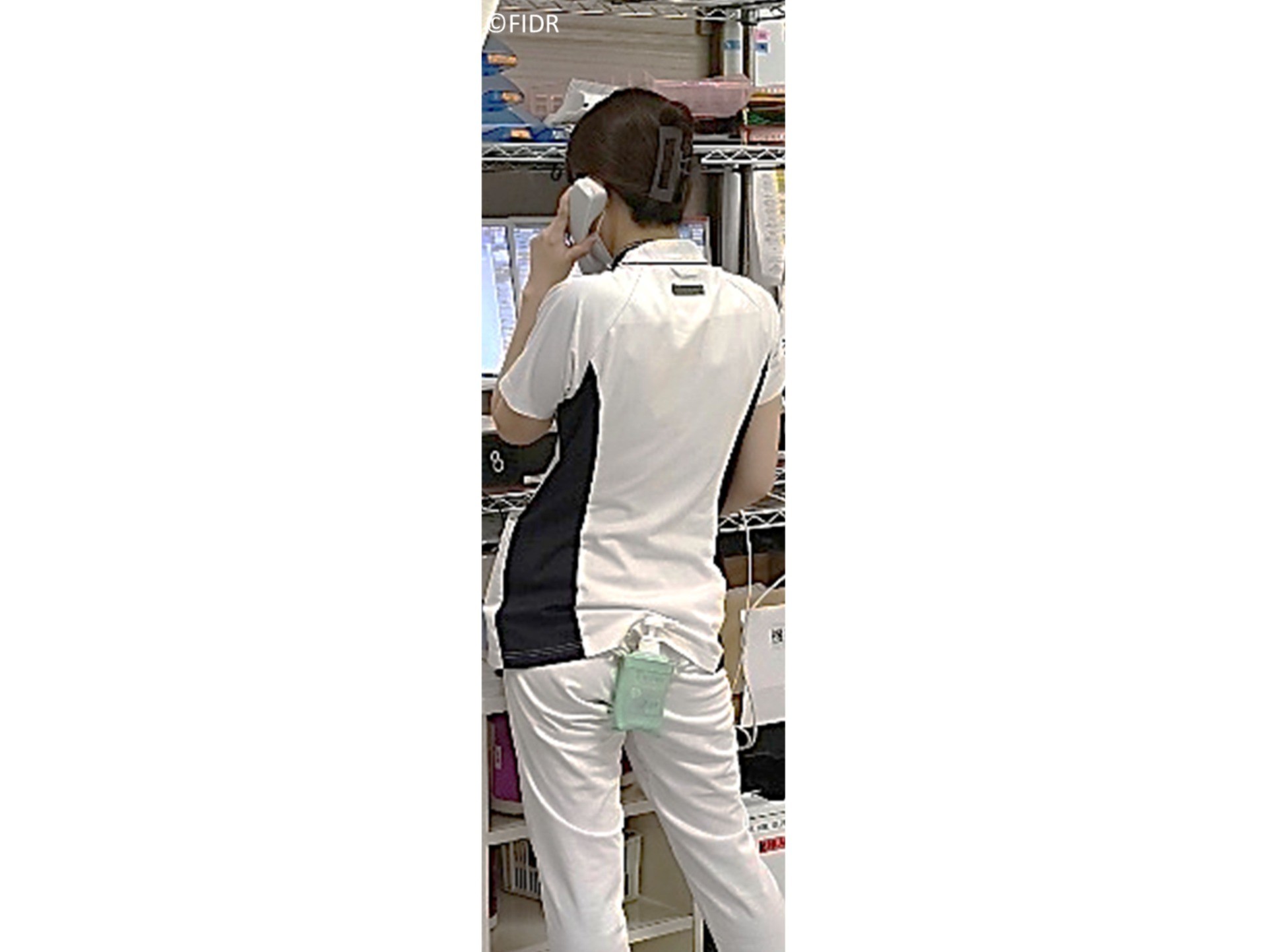
A nurse carrying a sanitizer bottle at a Japanese hospital
The second thing was how Pharmacy Departments were managed. Each patient’s medicines were neatly prepared, and both pharmacists and nurses double-checked them before administration. They also monitored stock levels to ensure safety and freshness. Pharmacy staff members prepared individual trays labeled with the patient’s name and diagnosis to ensure the correct medicine reached the right patient.
This system was very different from what I have seen in Cambodia, where nurses often manage medications on their own. I could see that a well-organized, team-based system ensures that each patient receives the correct medicine safely and focuses on patient safety.
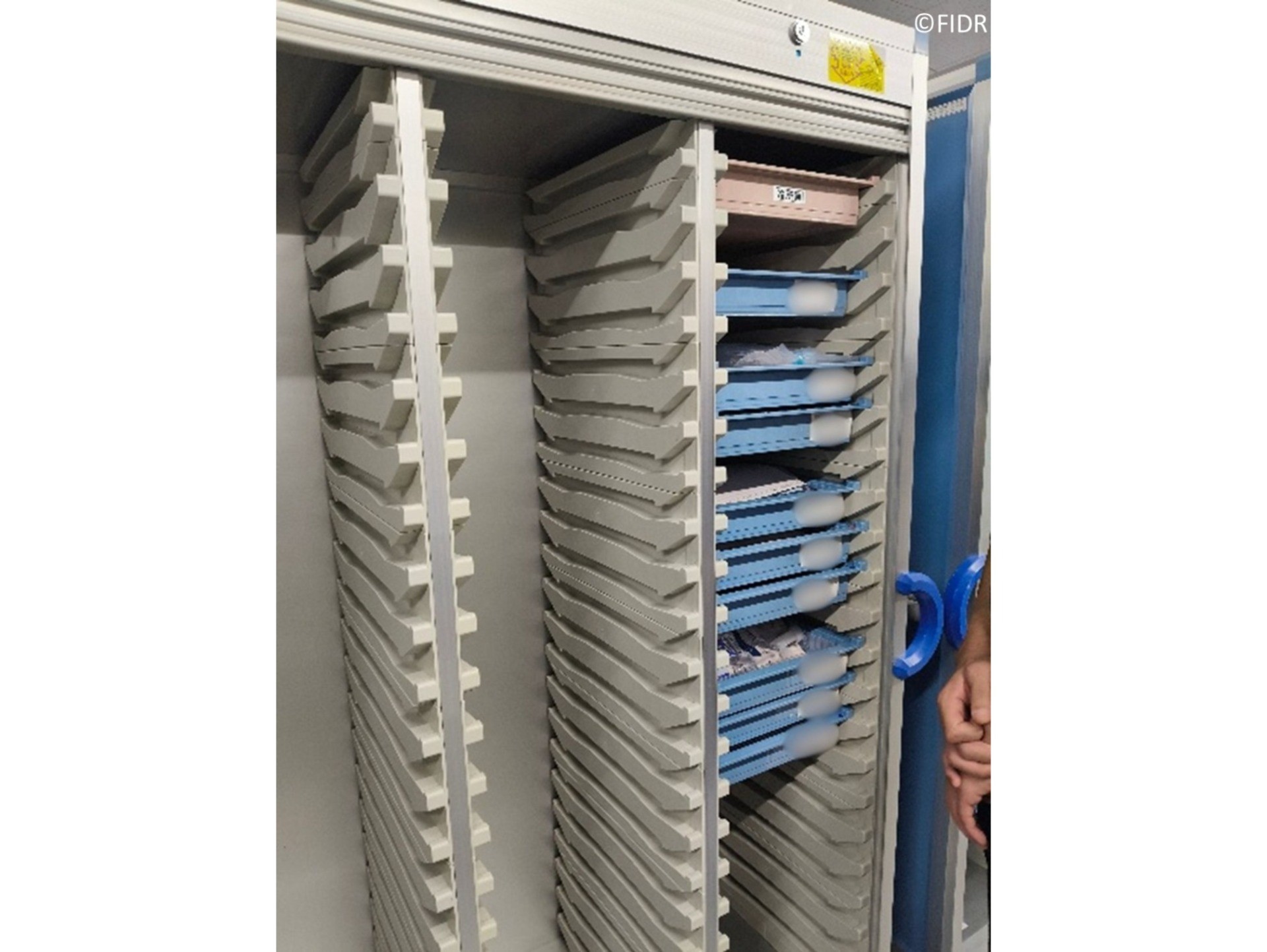
Patients' Medicine Tray neatly prepared.
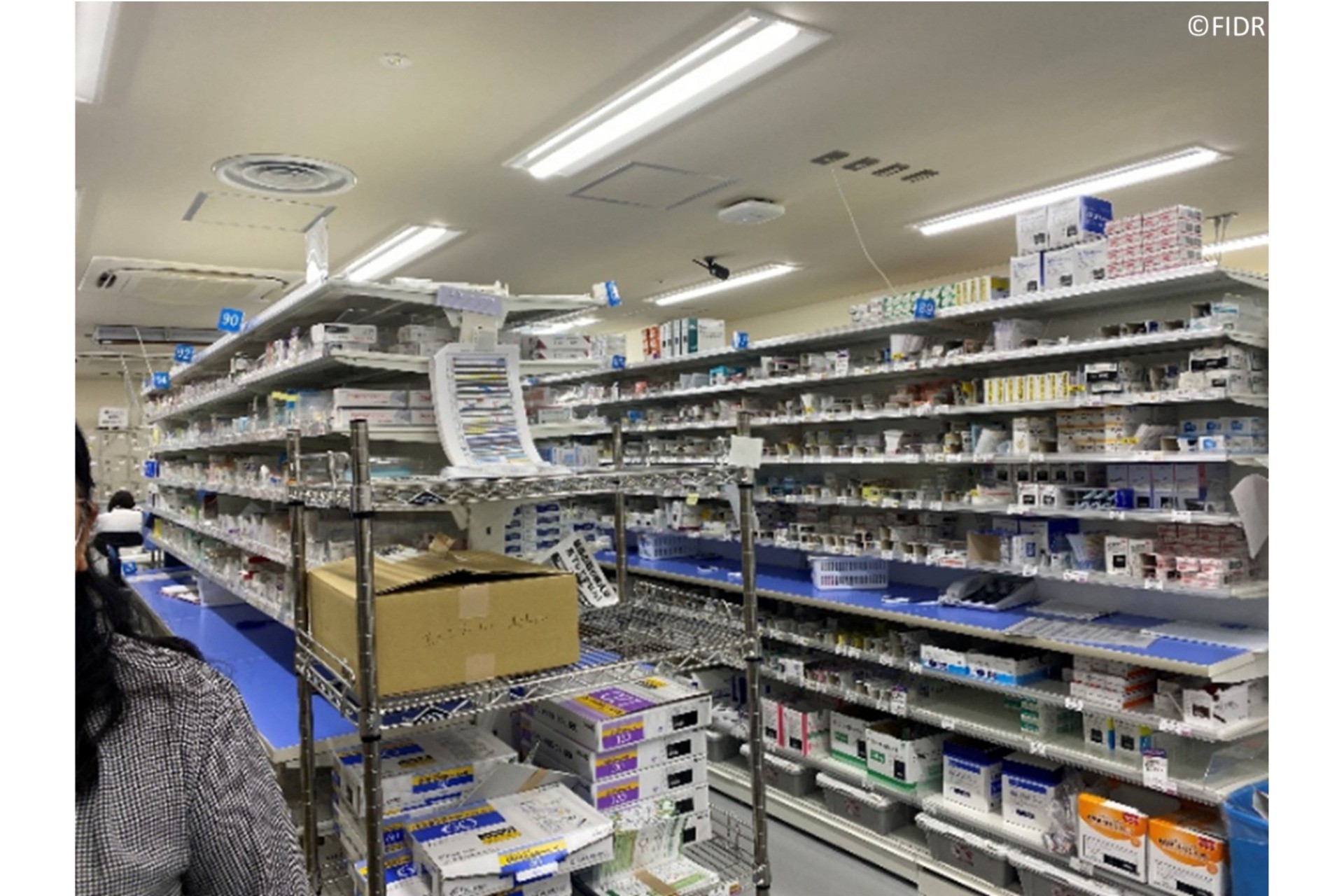
Pharmacy Storages are organized well.
When I visited the pediatric ward, I observed how smoothly the doctors, nurses, and other staff communicated and supported each other.
Their teamwork was very tangible. Each department held regular morning and monthly meetings to share updates on patient care. During shift changes, staff members helped each other record patient information and made sure any concerns were communicated clearly.
One of the hospitals used a video during their staff training to demonstrate effective teamwork. It illustrated how staff communicate clearly, understand their roles, support each other, solve problems together, and treat each other with respect.
This experience taught me that information sharing and teamwork are essential to reaching shared goals.
Overall, this visit helped me understand how Japanese hospitals maintain high standards through cleanliness, consistent hygiene habits, well-organized medication management, and effective teamwork. These practices showed that discipline, clear communication, and collaboration can greatly improve hospital services. The visit also inspired new practical ideas, such as promoting clearer role-sharing among staff, strengthening regular hygiene and safety inspections, encouraging frequent team discussions, and improving coordination between departments. These steps will help improve patient care at the KPRH through our continued work under the project.
In the future, I hope our Pediatric Surgery Project will promote hygiene and infection control awareness activities among both staff and patients, and help move toward more patient-centered care.
Moreover, this experience has changed my personal mindset. I have become more disciplined and attentive to small details in my daily work. I have also started practicing proper hand hygiene habits in my everyday life, including with my family, reflecting how these lessons have become part of my habits—They were something I had not practiced before.
Also, I have shared these experiences with my colleagues of FIDR through meetings and daily interactions. By leading through examples, I aim to promote improved discipline, hygiene practices, and teamwork within our project team, helping the team improve and foster positive changes.
Therefore, as a facilitator, I will apply what I learned from this study visit by encouraging and promoting the best practices in hygiene awareness and teamwork in our work with the KPRH.