- Who We Are
- Issues
-
Health and Hygiene
Daily life threatens health
-
Medical Care
Lives of young children that could be saved are lost
-
Nutrition
Unable to properly intake nutrition, the source of health
-
Agriculture
Unable to secure essential food for survival
-
Education
Education disparity is widening even in developing countries.
-
Industrial Development
There are people and regions that cannot escape from weak positions
-
- What We Do
- Get Involved
-
Volunteering
Want to utilize my time and skills
-
- Latest News

-
First Time Here?
Quick Guide to FIDR
- About Us
- Our Foundation
- Publications
-
Issues We Face
- Health and Hygiene
- Medical Care
- Nutrition
- Agriculture
- Education
- Industrial Development
-
What We Do
- International Cooperation for Social Development
- Emergency Response and Rehabilitation Assistance
- Public Relations and Education
-
How You Can Help
- Volunteer



Needs Assessment for Emergency Relief for Displaced People from the Cambodia-Thailand Border Areas
Overview of the Mission
Following the escalation of the border conflict in early December 2025, approximately 630,000 Cambodian civilians have been forced to flee their homes. This represents one of the most severe humanitarian crises since the end of the civil war in 1993.
In response, the FIDR team conducted a needs assessment survey from December 17 to 19, 2025, visiting key evacuation centers including Tadouk Market, Wat Banteay Neang, and Wat Ou Prasat in Banteay Meanchey, as well as Wat Khnach Romeas in Battambang.
Key Findings and Urgent Needs
Our direct observations and interviews at the centers revealed critical gaps in the current support system.
-
Sanitation and Privacy
At large centers such as Tadouk Market (housing over 19,000 people), the lack of mobile toilets is a major concern.
"Living here, I always feel unsafe. Especially privacy for women and safety at night are not ensured. The center is overcrowded, and sanitation facilities are limited." (A woman at Tadouk Market)
-
Shelter and Essential Supplies
Many families are sleeping in open fields because of limited space inside buildings.
"On our first night, we slept under the open sky without a tent or electricity. It was very difficult, but still better than staying at home near the border, where we had to hear the sounds of constant bombing." (A couple from Poipet)
-
Health and Psychological Impact
The trauma from the conflict is especially evident among children, pregnant women, and the elderly.
-
A Heartbreaking Testimony
A pregnant woman shared her harrowing experience of hiding in a drainage pipe for two days to escape the bombing before finally reaching safety.
"I have trouble breathing and a sore throat from the nearby explosions... I have spent $200 of my savings on food over the past 20 days, and my money is now almost gone." (A woman at the Khnach Romeas Pagoda center)
*These situations were observed in December 2025. Some information might have changed at the present.
FIDR’s Action Plan
Disparities in Aid Distribution
While larger centers have received significant attention, smaller or remote centers are often overlooked. These smaller centers, particularly those in remote pagodas are struggling with severe shortages of food and hygiene supplies, requiring a more balanced and targeted distribution strategy. FIDR will focus on addressing this gap to ensure that no one is left behind.
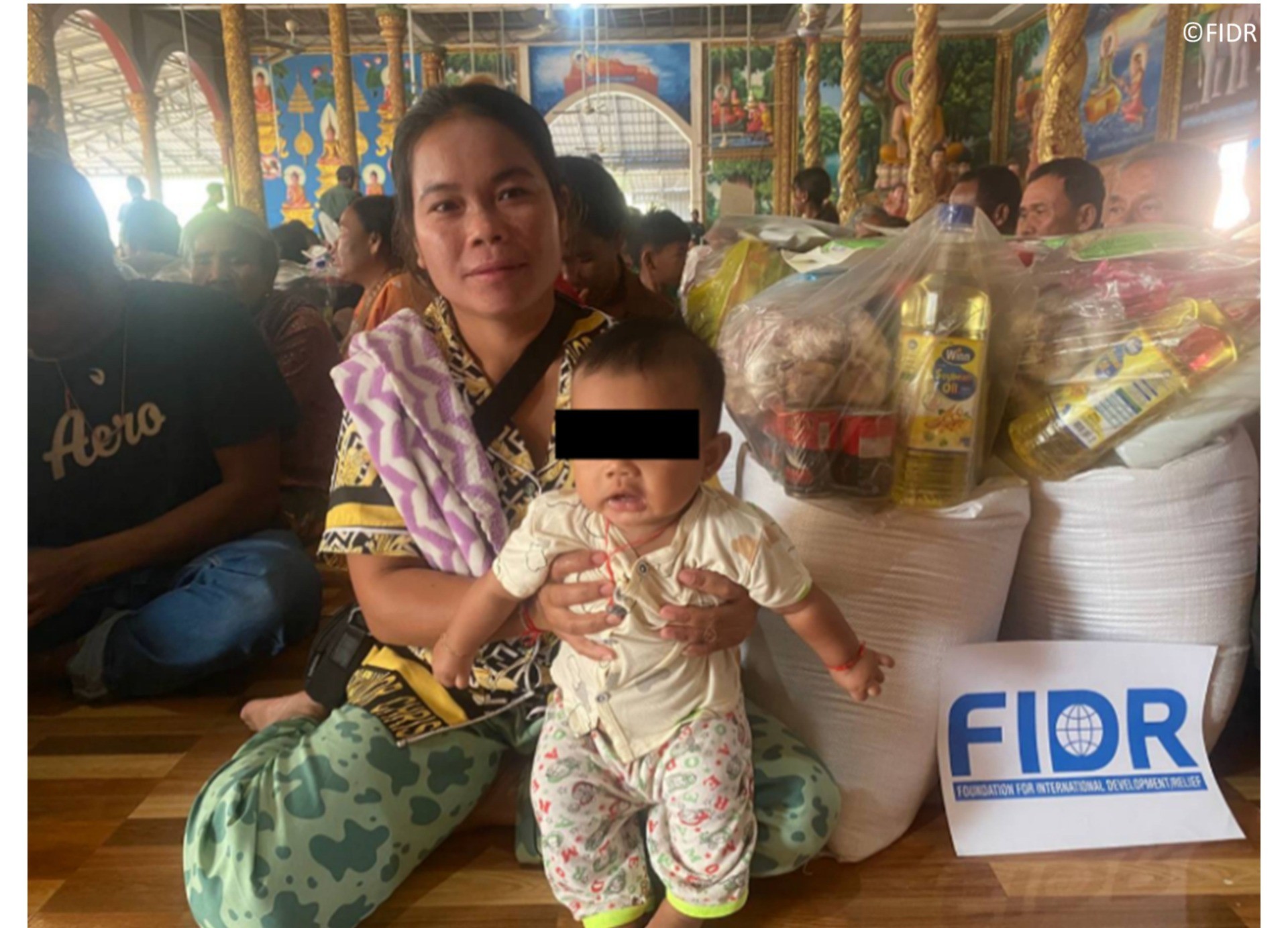
Based on the survey results, we have been working on provision of relief supplies for displaced people since January across the provinces of Banteay Meanchey, Pursat, Preah Vihear, Siem Reap, and Kampong Chhnang.
Call for Support
FIDR believes that the most difficult period for displaced people begins when public attention starts to fade. We earnestly ask for your support. Your donation to the FIDR Emergency Relief ensures the continuous provision of life-saving assistance to those who need it most.
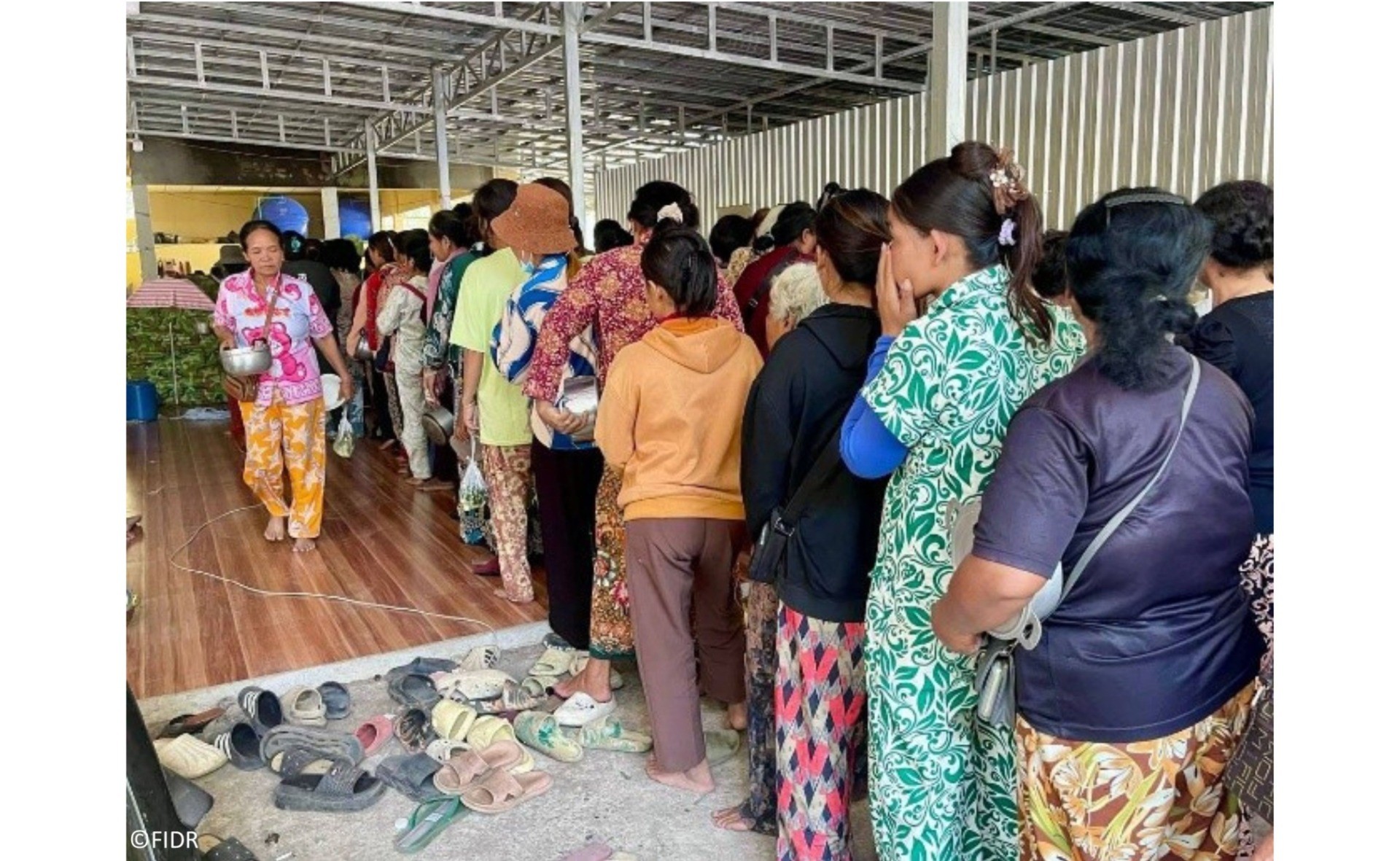
Evacuees line up to receive food
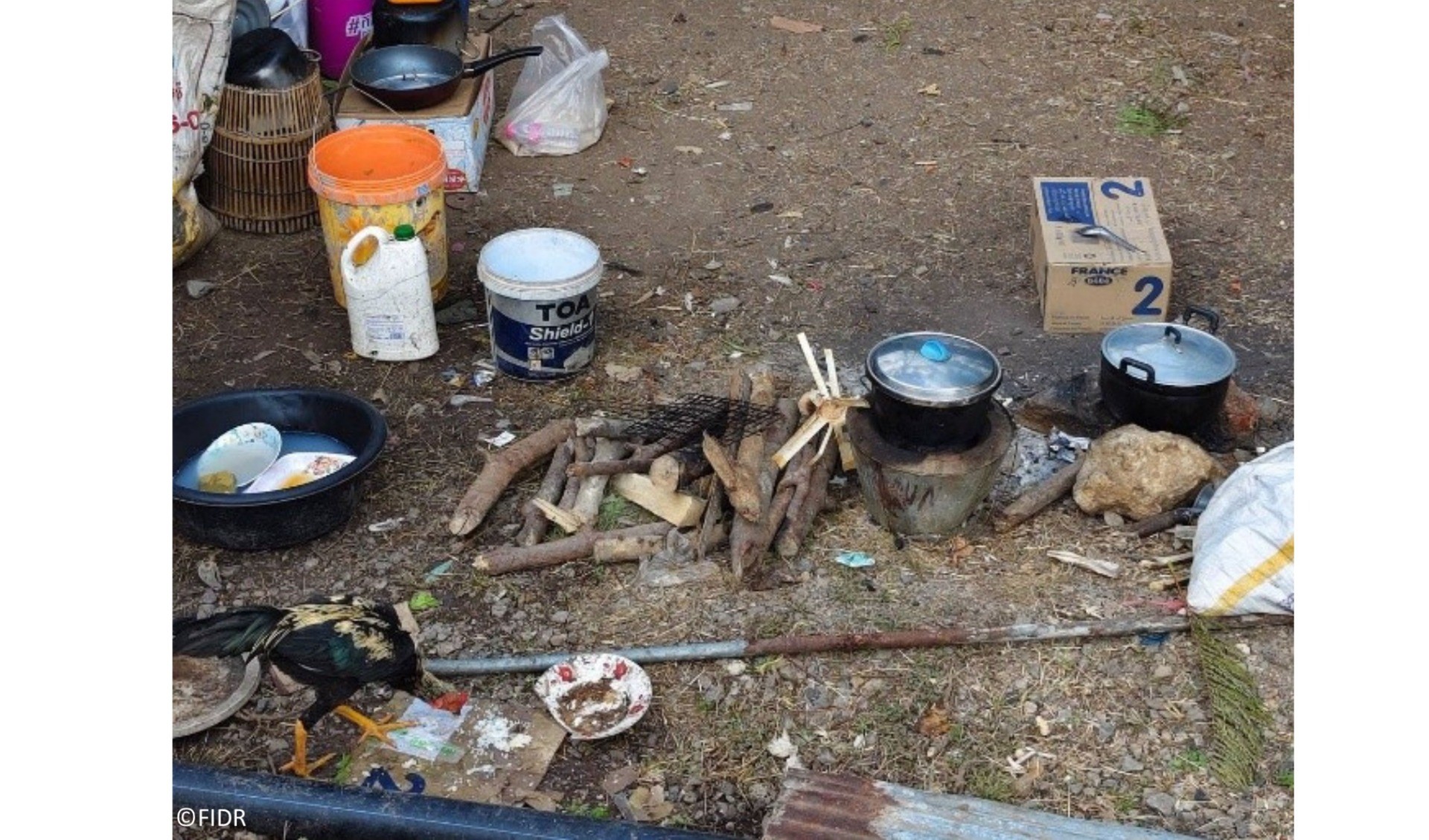
Some evacuees cook by themselves.
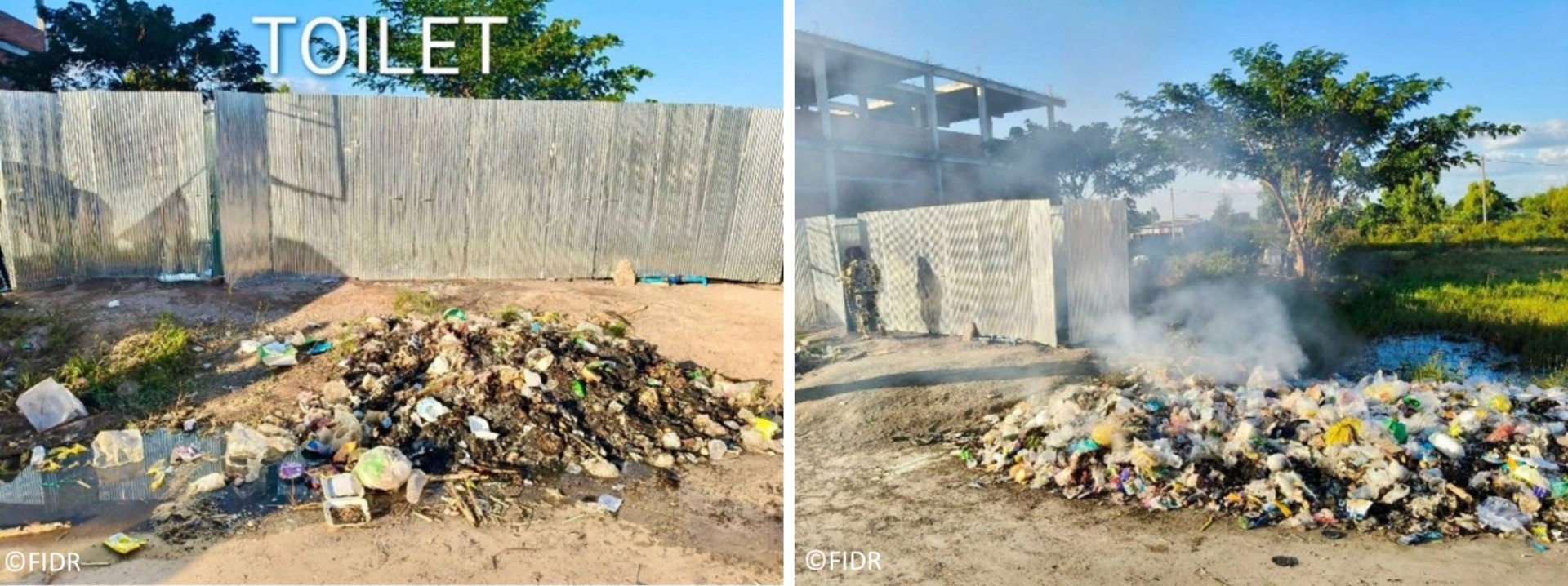
Waste is burned near the toilet, and evacuees live in shelters nearby.
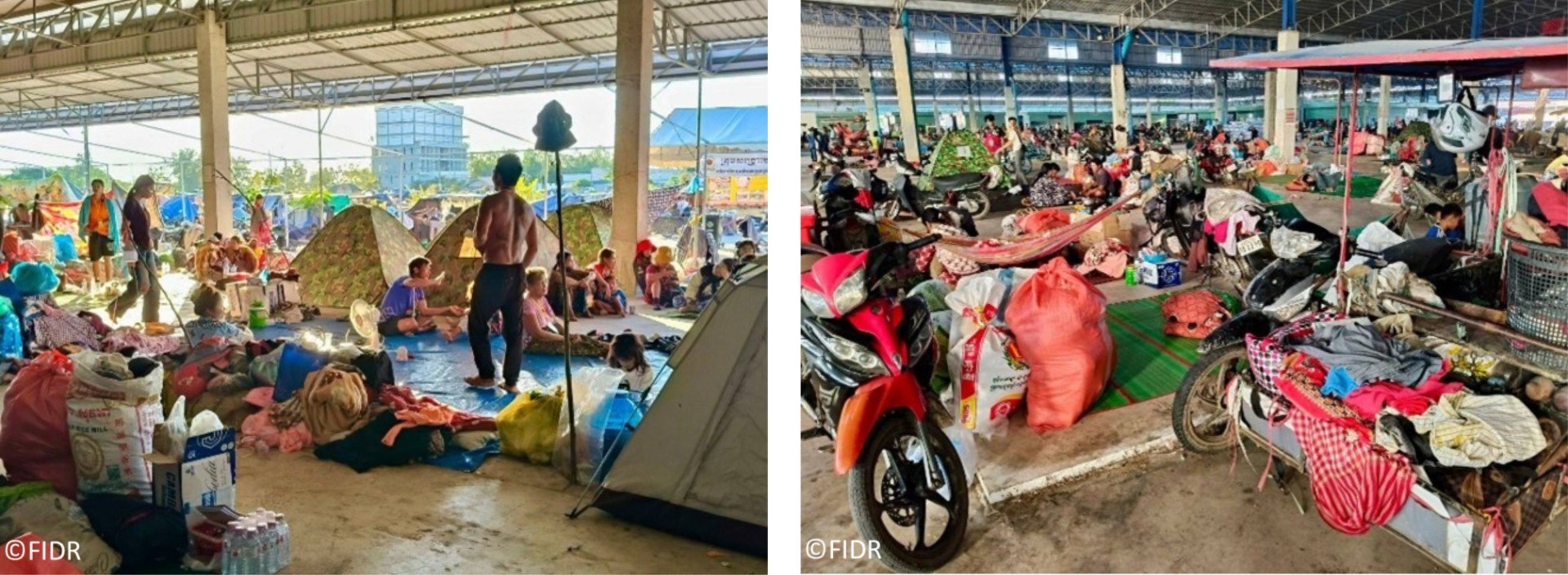
Evacuees live in shelters inside Tadouk Market.
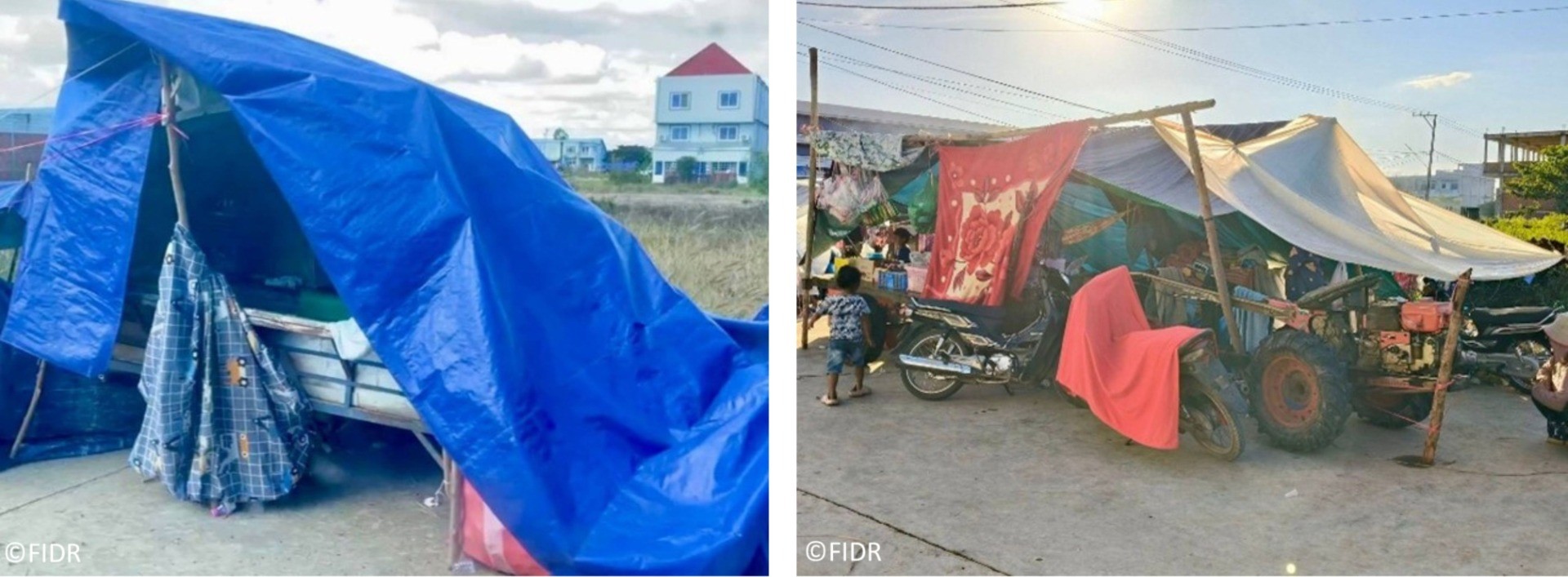
Evacuees live in shelters outside as the inside is full.
Click here for the evacuation camp report by the Country Representative of the FIDR Cambodia Office:
https://youtu.be/h-jf6gfp4k0(English Subtitle)
.
Other Activity Reports
-
Nutrition Education and Promotion Project
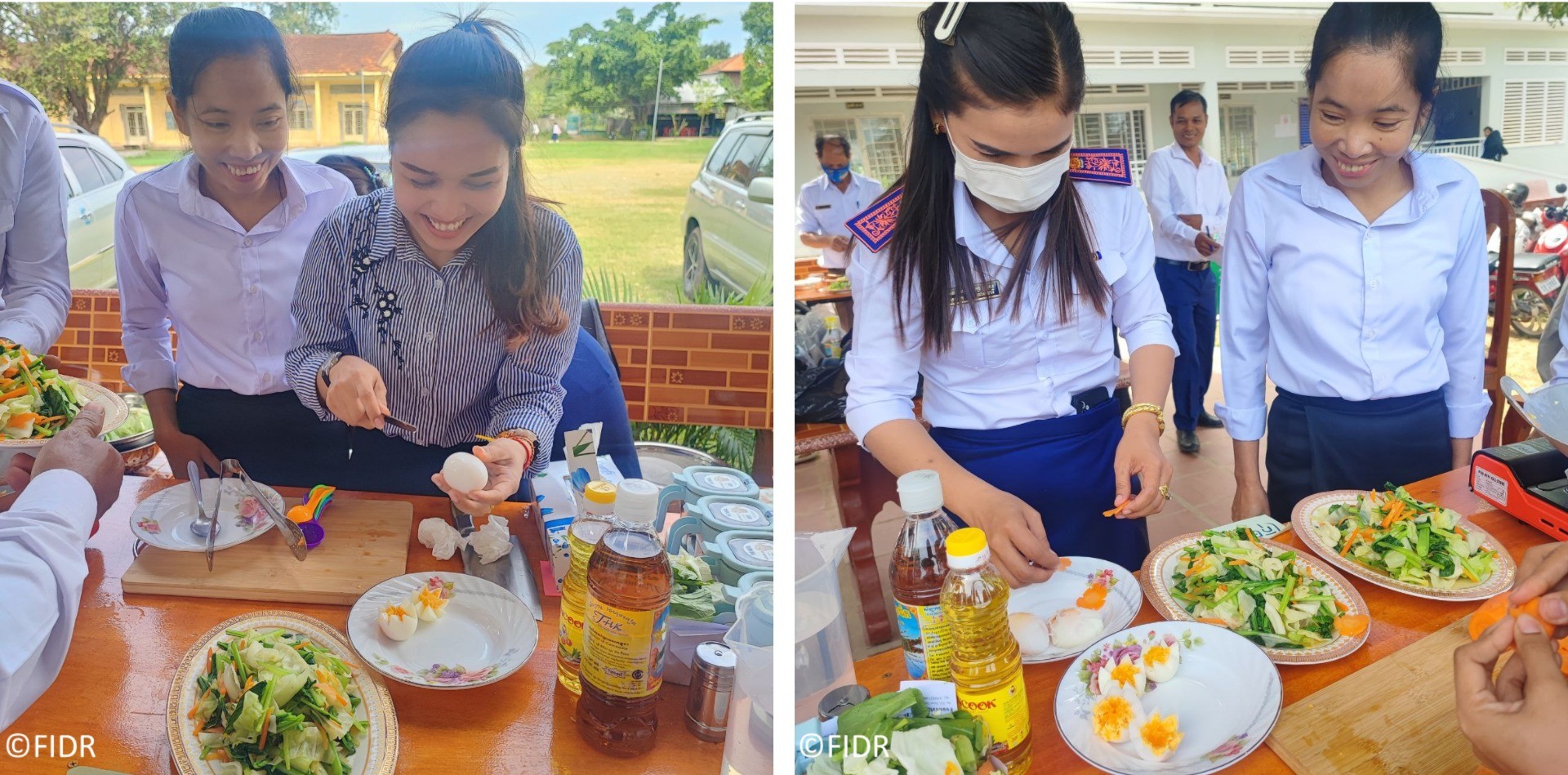
2026.06.17
Cooking Classes Begin at the M...
Cambodia Health anbd Hygiene Nutrition Education International Cooperation for Social Development -
Emergency Relief for Displaced People in Cambodia
2026.06.10
Emergency Assistance: Providin...
Cambodia Emergency Response and Rehabilitation Assistance
DONATION
Your generous donation now will have impacts
on children and communities in our fields.