
- Who We Are
- Issues
-
Health and Hygiene
Daily life threatens health
-
Medical Care
Lives of young children that could be saved are lost
-
Nutrition
Unable to properly intake nutrition, the source of health
-
Agriculture
Unable to secure essential food for survival
-
Education
Education disparity is widening even in developing countries.
-
Industrial Development
There are people and regions that cannot escape from weak positions
-
- What We Do
- Get Involved
-
Volunteering
Want to utilize my time and skills
-
- Latest News

-
First Time Here?
Quick Guide to FIDR
- About Us
- Our Foundation
- Publications
-
Issues We Face
- Health and Hygiene
- Medical Care
- Nutrition
- Agriculture
- Education
- Industrial Development
-
What We Do
- International Cooperation for Social Development
- Emergency Response and Rehabilitation Assistance
- Public Relations and Education
-
How You Can Help
- Volunteer



Why Cooking Education Matters: Growing Up Without Cooking Skills

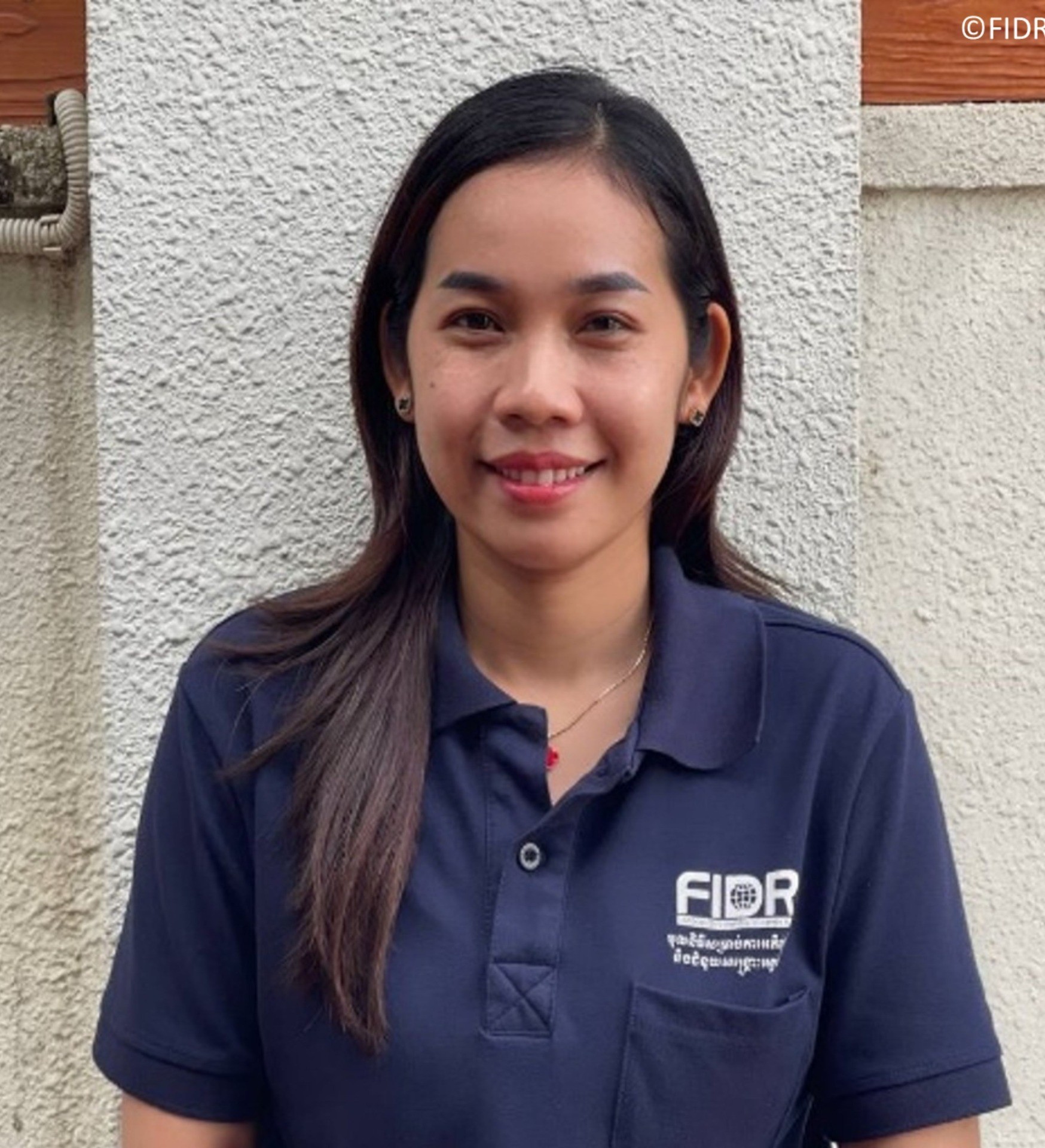
Project Manager, FIDR Cambodia Office
Kim Chanravey
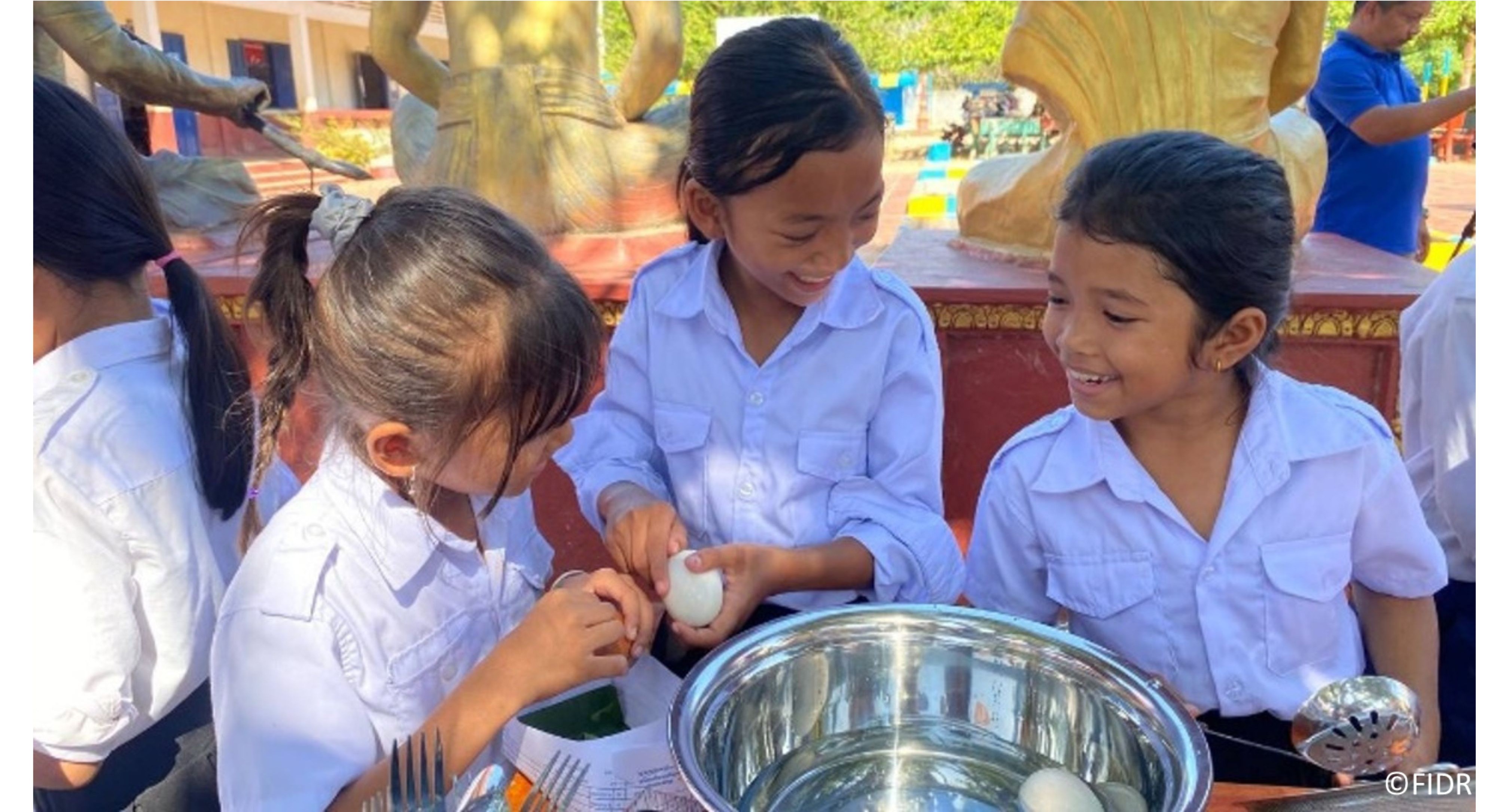
Recently, the four schools targeted by “the Nutrition Education and Promotion Project (NEPP)”have begun establishing cooking classes. These classes provide valuable opportunities for students to learn about nutrition, the proper use and care for kitchen tools, and basic cooking methods. In addition to cooking skills, students also develop essential life skills such as leadership, teamwork, and good hygiene habits.
.
I am very pleased that cooking classes have been initiated in the target schools because I never had any opportunities to learn these kinds of practical skills at school when I was a child.
Located in Kampong Thom Province, I was born into a family that was not well-off. My father is a primary school teacher, and my mother runs a small home-based business. I am the youngest of three sisters.
.
From primary school all the way through high school, I never received any formal cooking lessons in any subject. At home, my main role was to wash kitchen utensils and occasionally cook rice. Sometimes I was also sent to the market to buy ingredients, but usually, my mother would tell me exactly what to buy and write it down on paper to make sure I purchased the correct items needed for cooking. Meanwhile, my two older sisters took turns cooking alongside my mother.
.
During high school, around Grade 10, I studied a Home Economics class, and one of the lessons in the curriculum was cooking. Unfortunately, the teacher skipped that lesson, reasoning that “everyone already knows how to cook”. However, I also noticed that the school lacked cooking facilities and ingredients available. Because I never learned to cook properly at school and didn’t get much practice at home either, I grew up not knowing how to cook. I did not even know how to prepare fish or how to cut vegetables properly for stir-frying or making soup.
.
One day, when my mother and two older sisters were not at home and only my father and I were there, it naturally fell to me to cook for him. After eating, my father asked, “What kind of taste is this? I cannot even know how to describe it.” He seemed hesitant to eat more, but he had no other option. It was my first time cooking, and I found that I was not good at it. The soup was not tasty because I was unsure how much condiments to put in it.
.
When I finished high school and moved to Phnom Penh to continue my studies, I had to leave my hometown and live on my own. The only cooking skills I had were frying eggs, boiling eggs and frying fish. I struggled a lot with my diet, not only because I could not afford good food, but also, I didn’t know how to cook properly.
.
Later, when I started working and had lunch with my colleagues, I often shared my dishes with them. I then received comments like, “This dish is too salty.” The first time I brought food to share at FIDR, one of my colleagues said, “Is this supposed to be a sour soup? If so, the soup should be sour enough, and the winter melon pieces should be bigger, not this small.” I was not upset by the criticism, but I realized that my cooking skills were really not good. Even now, after I have my own family, cooking remains a challenge. Because I am not good at cooking, I struggle to prepare delicious meals for my daughter. Whenever I try to make healthy and balanced dishes, she says that they don’t taste good. As a result, my daughter has become a picky eater and tends to eat only certain foods, such as the fried meat that I cook. These meals usually contain no vegetables and are quite salty. She avoids vegetables because she doesn’t find them tasty.
.
I feel that the lack of proper cooking education has had a lasting impact on my life, both in the past and even today. That is why I am extremely excited when we were able to support the start of cooking classes in the four target schools in our project. Students can now learn about nutrition and practice cooking from primary school all the way through high school. By the time they have their own families, they will be able to apply these skills in real life.
.
.
Teachers shared similar thoughts: “I also learned a lot while preparing for the cooking class. I did not realize that just a small amount of condiments could make a stir-fry so tasty. I was glad to see the students enjoying the food they cooked.”
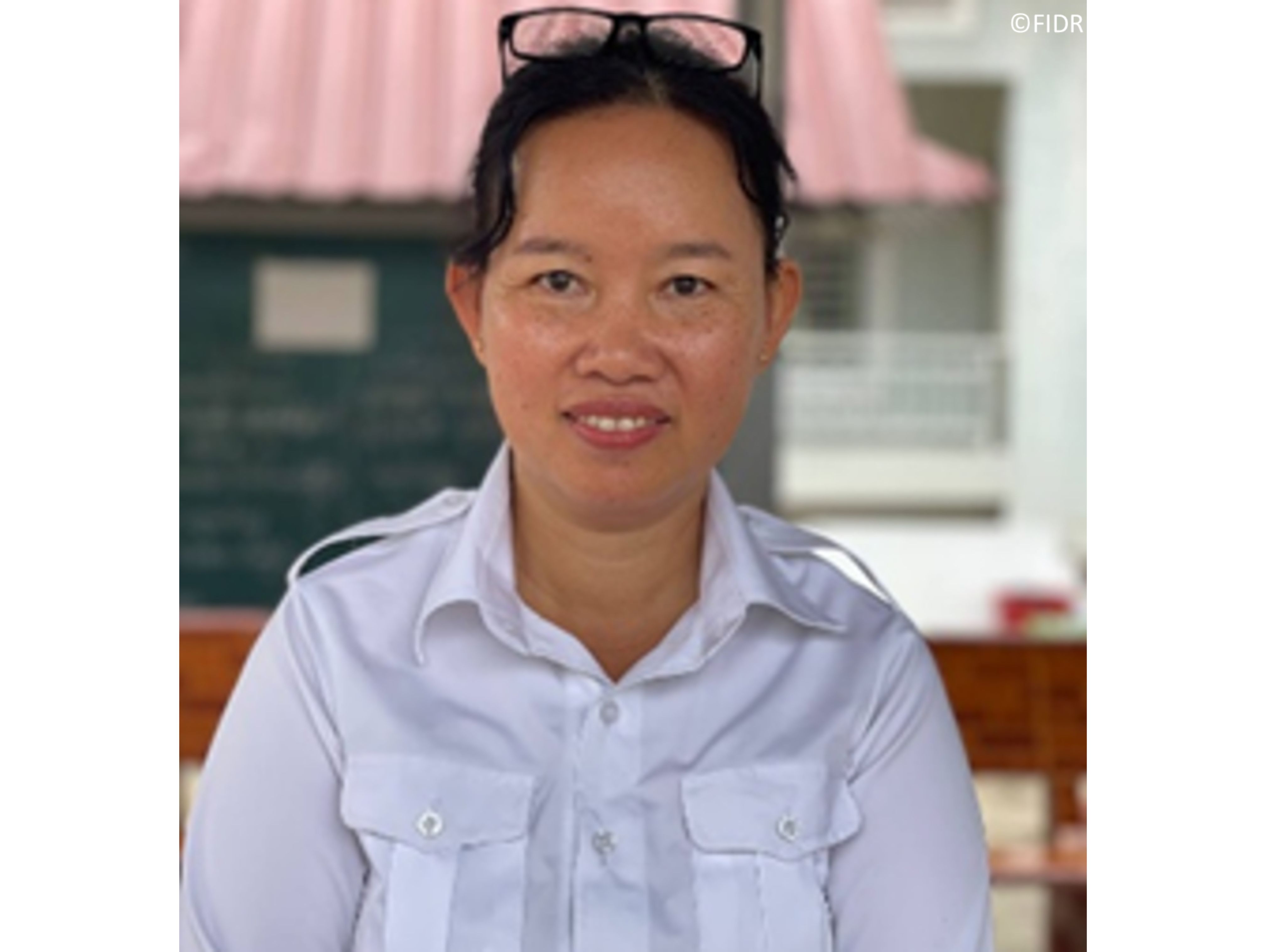 Ms. Chun Mom, a Home Economic Teacher
I hope these cooking classes will teach students a variety of skills and provide them with opportunities to gain both knowledge and practical life skills, enabling them to live healthy lives. I also hope that these cooking classes will be implemented in more schools, and eventually in all schools in Cambodia.
.
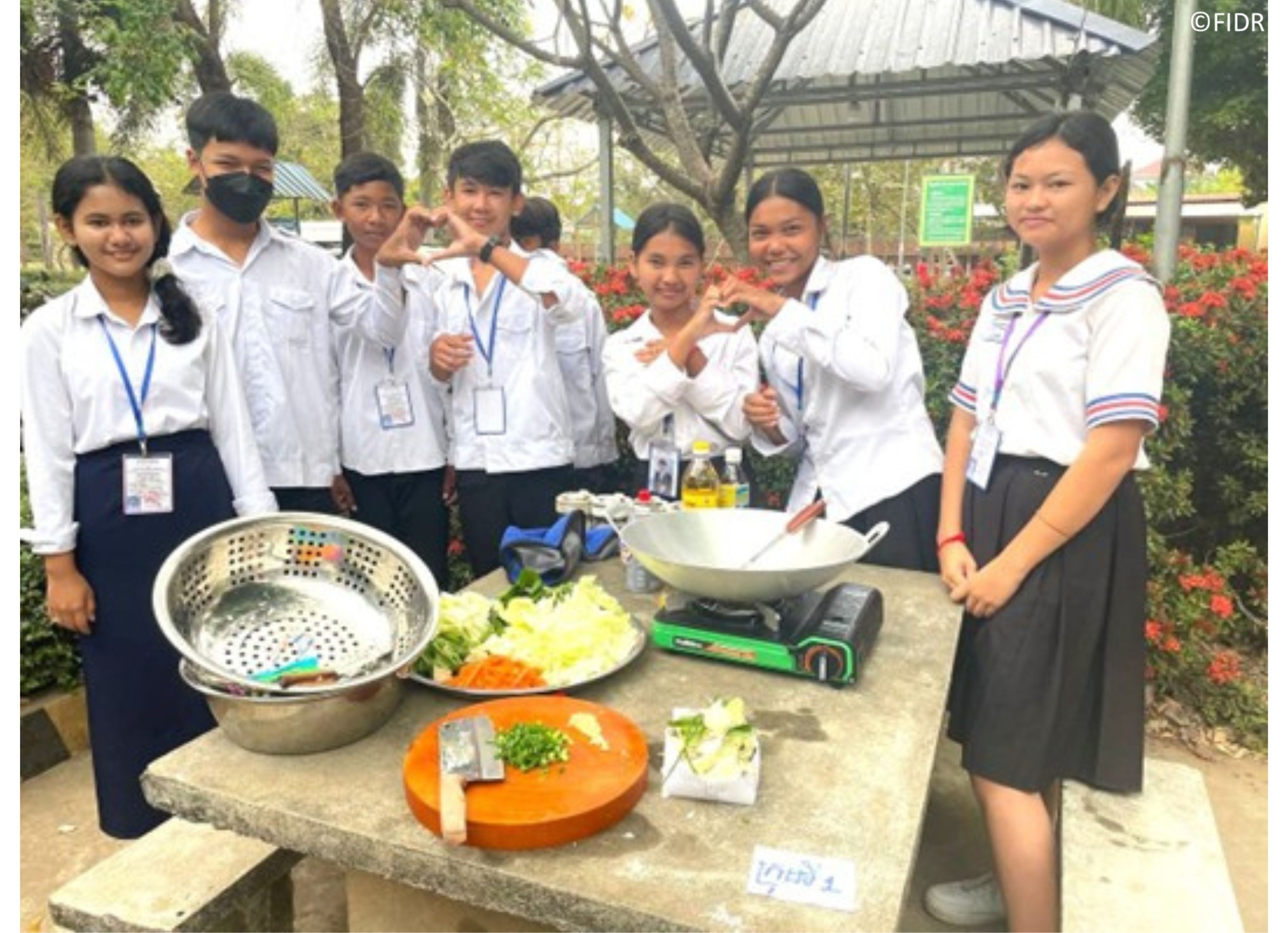
Students prepared dishes in the cooking class, smiling and making heart signs for the camera.
Other staff blogs
Back to List
DONATION
Your generous donation now will have impacts
on children and communities in our fields.