- Who We Are
- Issues
-
Health and Hygiene
Daily life threatens health
-
Medical Care
Lives of young children that could be saved are lost
-
Nutrition
Unable to properly intake nutrition, the source of health
-
Agriculture
Unable to secure essential food for survival
-
Education
Education disparity is widening even in developing countries.
-
Industrial Development
There are people and regions that cannot escape from weak positions
-
- What We Do
- Get Involved
-
Volunteering
Want to utilize my time and skills
-
- Latest News

-

First Time Here?
Quick Guide to FIDR
- About Us
- Our Foundation
- Publications
-
Issues We Face
- Health and Hygiene
- Medical Care
- Nutrition
- Agriculture
- Education
- Industrial Development
-
What We Do
- International Cooperation for Social Development
- Emergency Response and Rehabilitation Assistance
- Public Relations and Education
-

How You Can Help
- Volunteer



The Community's Initial Efforts in Addressing Plastic Wastes in Kampong Leng District
In Kampong Leng district, near the Tonle Sap Lake in Cambodia, many people live close to the river.
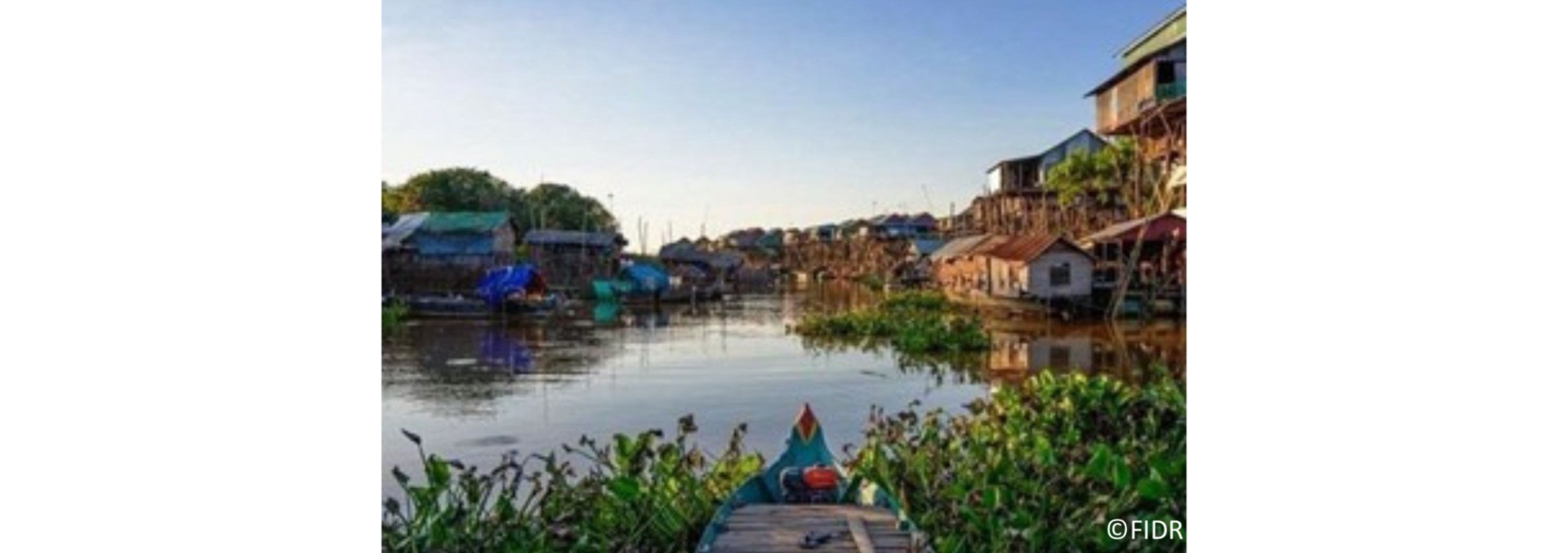
The Household of People Close to Tonle Sap River
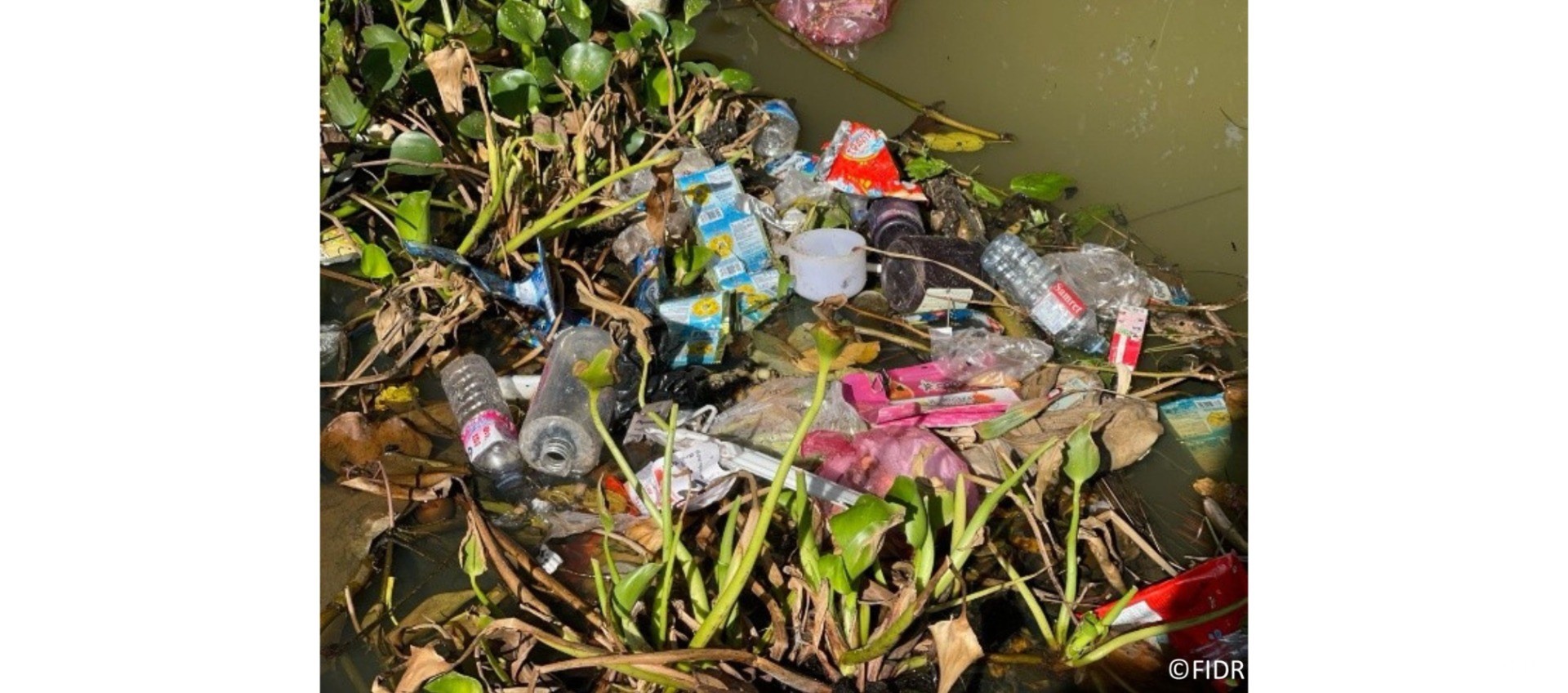
Plastic Waste Floating on the River in Kampong Leng
When traveling on roads into the communities, you will see plastic bags, foam boxes, and water bottles that are abandoned on the streets and in the ponds. Residents dispose of their trash in various ways: they leave it near forests, pile it on the ground, burn it, or bury it in the soil. In riverside areas, people throw their garbage into the river, which causes floating debris on the lake.
During the rainy season, the river’s water level rises to just below the floor, and houses appear as if they were built on the water. Their trash is simply thrown from the houses into the river. However, when the dry season comes, a lot of trash is left behind on the exposed ground and eventually becomes buried in the mud. This cycle repeats annually, resulting in layers of debris accumulating over time.
Residents are used to these situations, and no one has complained. However, the absence of immediate harm does not justify leaving the situation unattended. Accumulated plastics in the nature could gradually impact the natural environment and threaten residents' health over time.
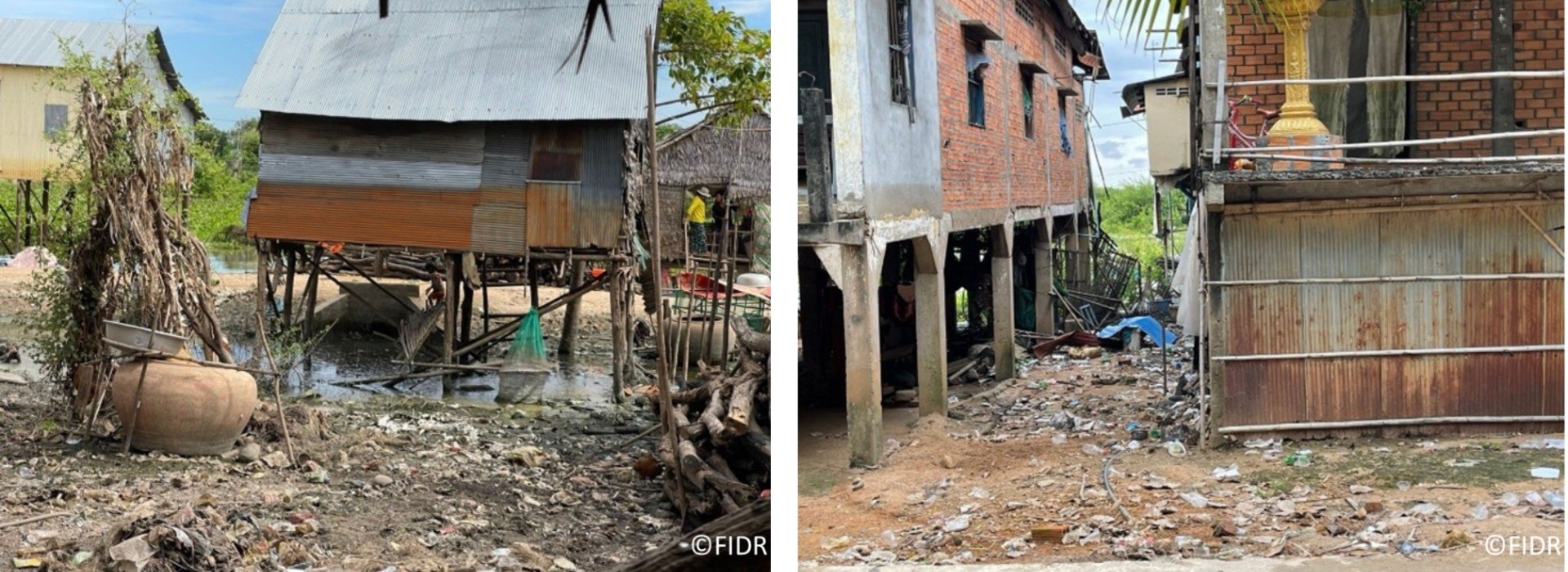
The Plastic Garbage is Left around the Houses after Floods.
FIDR's experience demonstrates that maintaining a sanitary environment is crucial. Regardless of the efforts to improve nutrition, the benefits cannot be fully realized if sanitary conditions at home and in the community are inadequate. Furthermore, when aiming to improve living standards and livelihoods, it is essential to first focus on good sanitary conditions and behaviors that prioritize cleanliness. Therefore, the key question is whether residents can recognize the waste problem as their own responsibility and take proactive steps to address it.
In response to this matter, the Kampong Leng Livelihood Improvement Project (KLIP), together with local authorities, has organized environmental cleanup events, educated the public about the impact of plastic waste, and encouraged residents to use their own household trash bins.
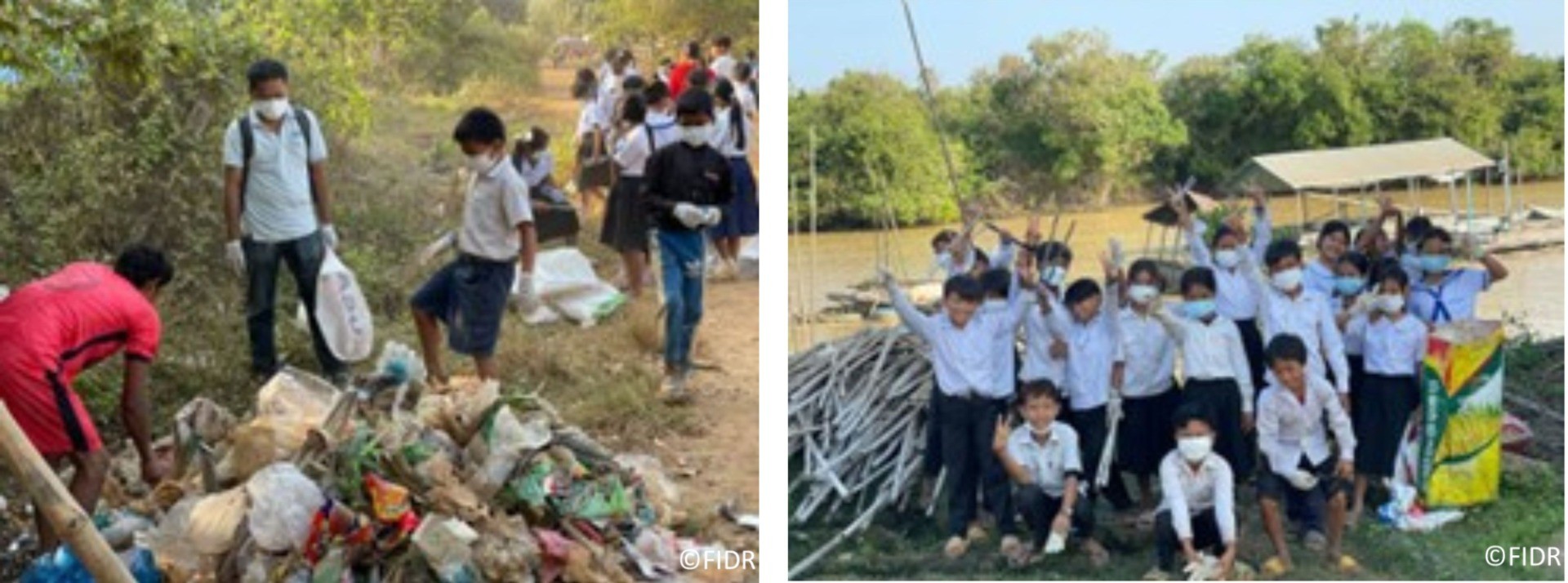
Environmental cleanup event with students and community people
However, we encountered a significant obstacle during the implementation: although households collected their trash, there was nowhere to dispose of it. The area lacks a proper waste management system, which consists of designated disposal places and a public garbage collection service.
To address this problem, FIDR took one more step to introduce the 3R principle (Reduce, Reuse, and Recycle), with a strong focus on reducing and reusing plastic wastes. This approach has empowered individuals and the community to manage waste on their own initiative without relying on a public disposal system.
The changes were driven by two main actions:
Demonstration by FIDR staff: We actively serve as role models for the community. We bring our own reusable lunch boxes and water bottles and consistently collect our personal trash to bring back with us.
Practice in daily life: We also encourage and motivate the community to make practical changes in their everyday routines. For example, we ask local participants to use their own cups and bottles during project activities. Additionally, we encourage people to bring their own containers or bags when shopping for food.
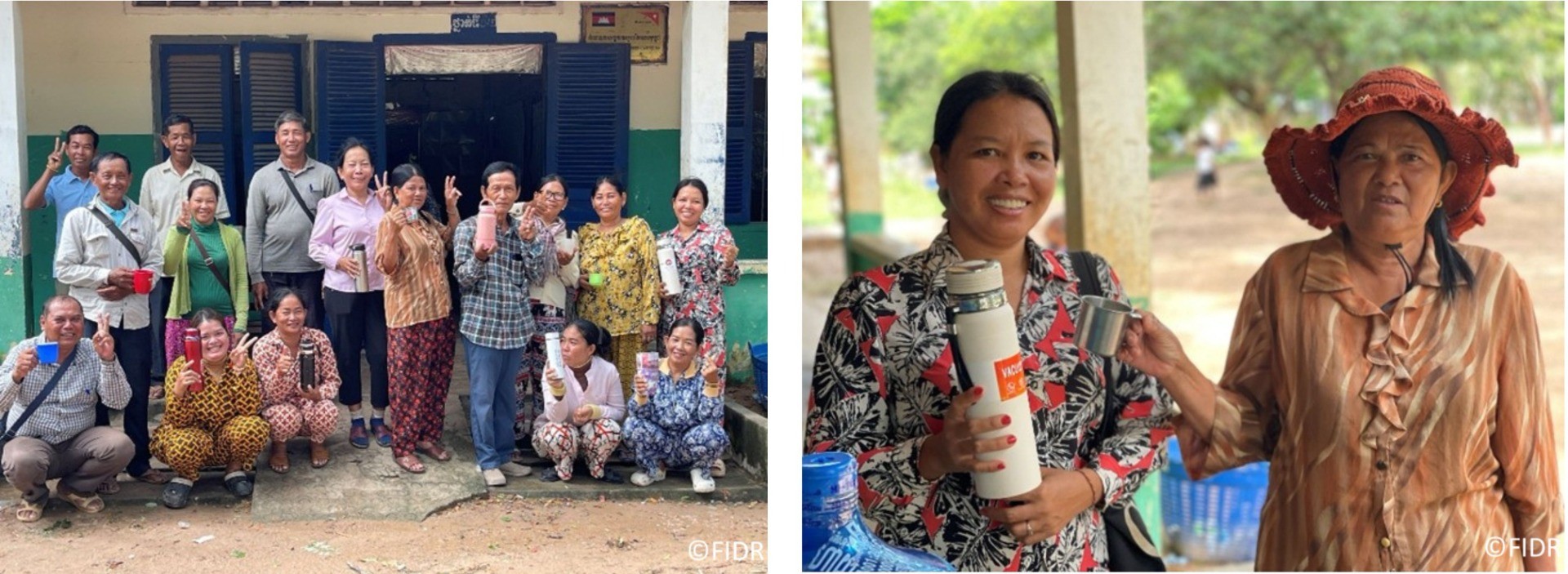
Participants bring their Bottles and Cups from Home
We also support the “No Plastics Campaign” initiated by schools. This campaign encourages them to use their own reusable food containers and water bottles. In addition, the schools made a rule to prohibit students from throwing the trash away in schools, encouraging them to bring back their own trash.
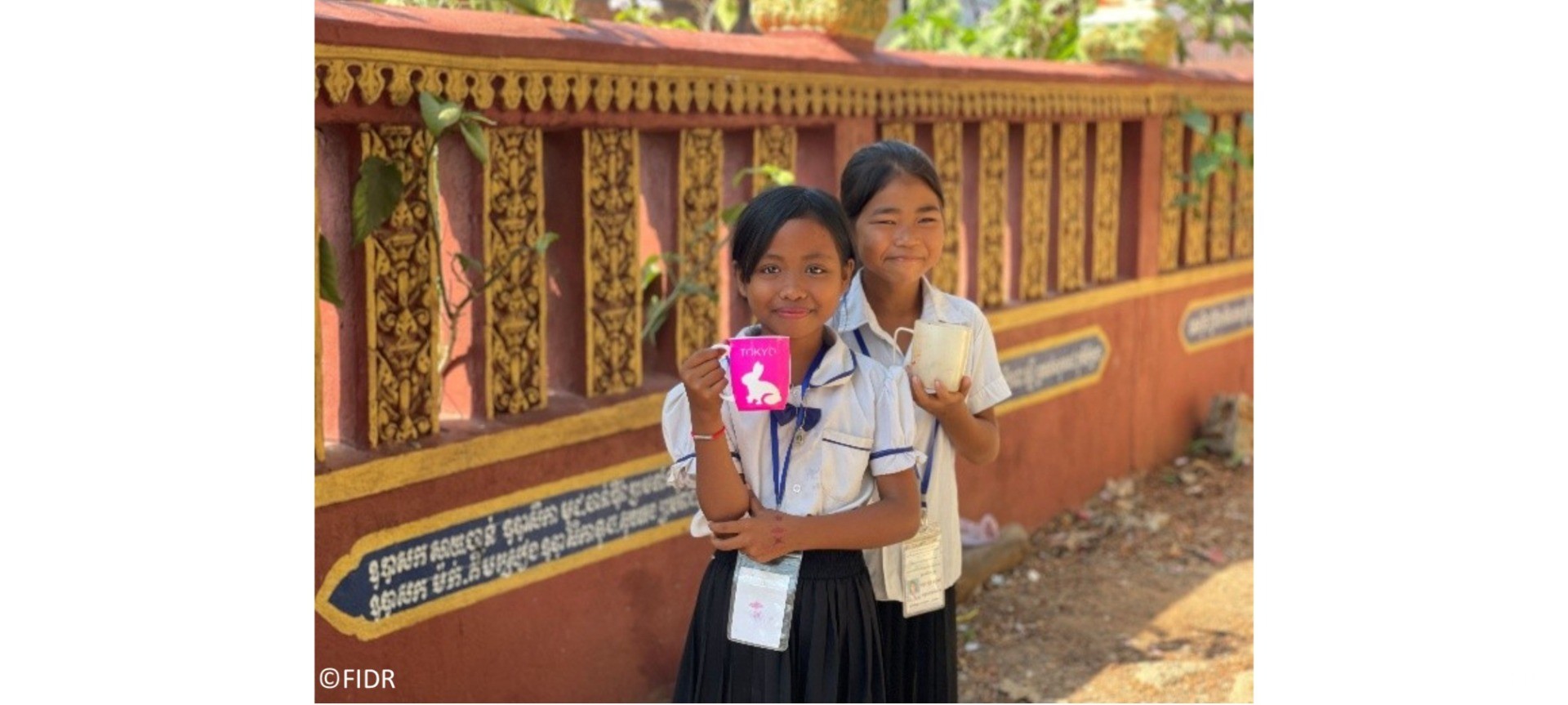
Students Change to Use Reusable Cups
As a result of shaping behavior in the community, we now observe that residents consistently bring their own reusable items. They reuse plastic bags and their own containers when shopping. These new practices have been integrated into their daily lives. Moreover, teachers have carried on the “No Plastics Campaign” in schools to continuously promote environment-friendly practices among students.
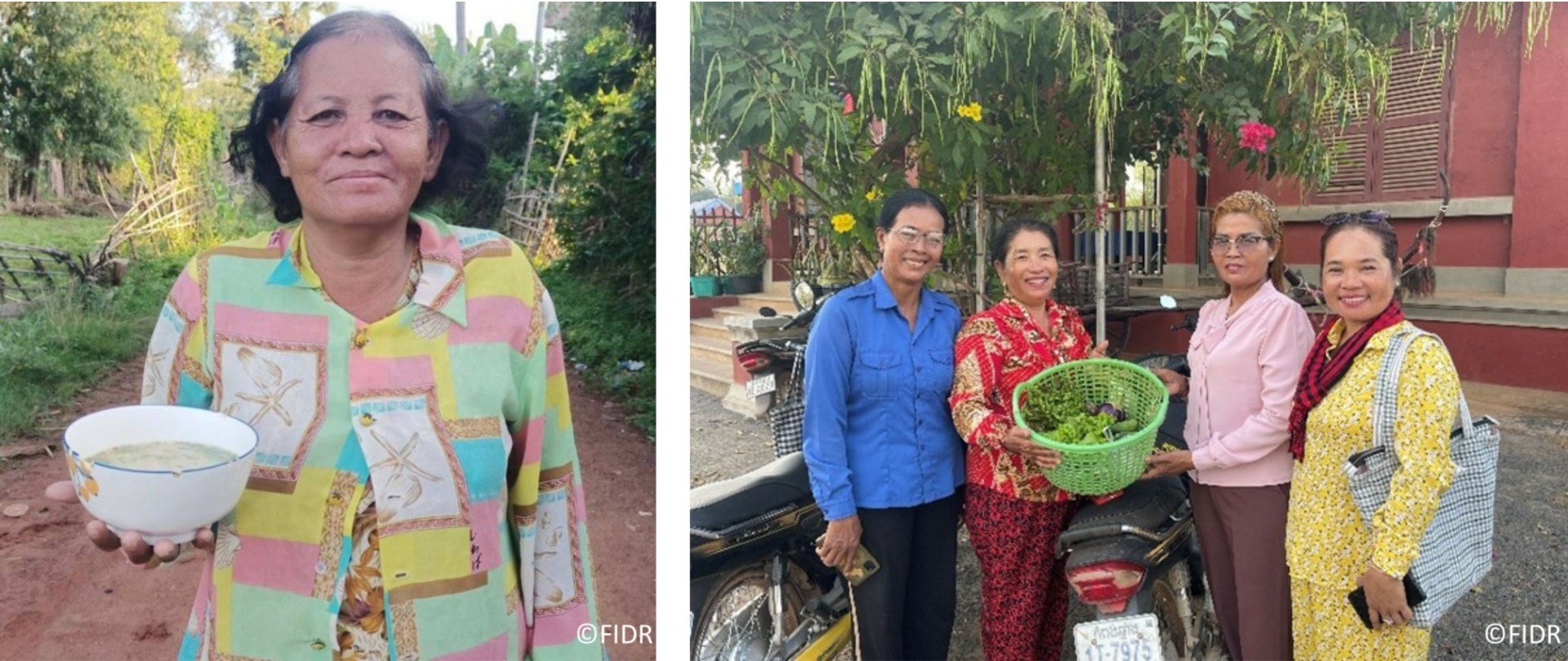
Residents brining containers and bags for buying food
This is the first step toward reducing plastic waste in Kampong Leng district. Efforts for reducing plastic waste have shown remarkable results. People have stopped littering, feeling responsibility for waste management. With a sense of individual responsibility, they can change their habits, and break through the challenges, even in the absence of a public waste management service.
Other Activity Reports
-
Nutrition Education and Promotion Project
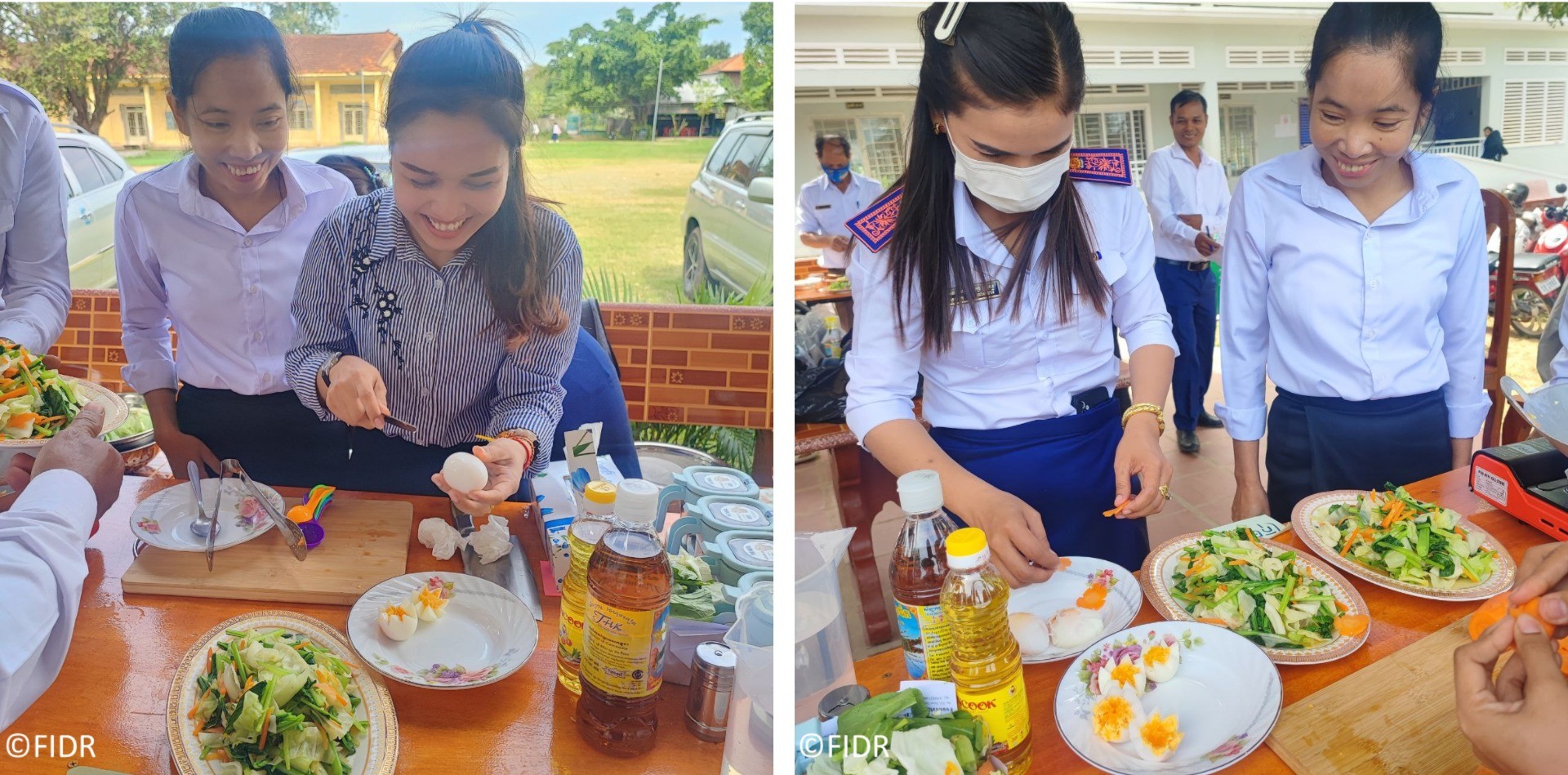
2026.06.17
Cooking Classes Begin at the M...
Cambodia Health anbd Hygiene Nutrition Education International Cooperation for Social Development -
Emergency Relief for Displaced People in Cambodia
2026.06.10
Emergency Assistance: Providin...
Cambodia Emergency Response and Rehabilitation Assistance
DONATION
Your generous donation now will have impacts
on children and communities in our fields.